
EICR Explained: What It Is, Why It Matters, and When You Need One
What is an EICR?
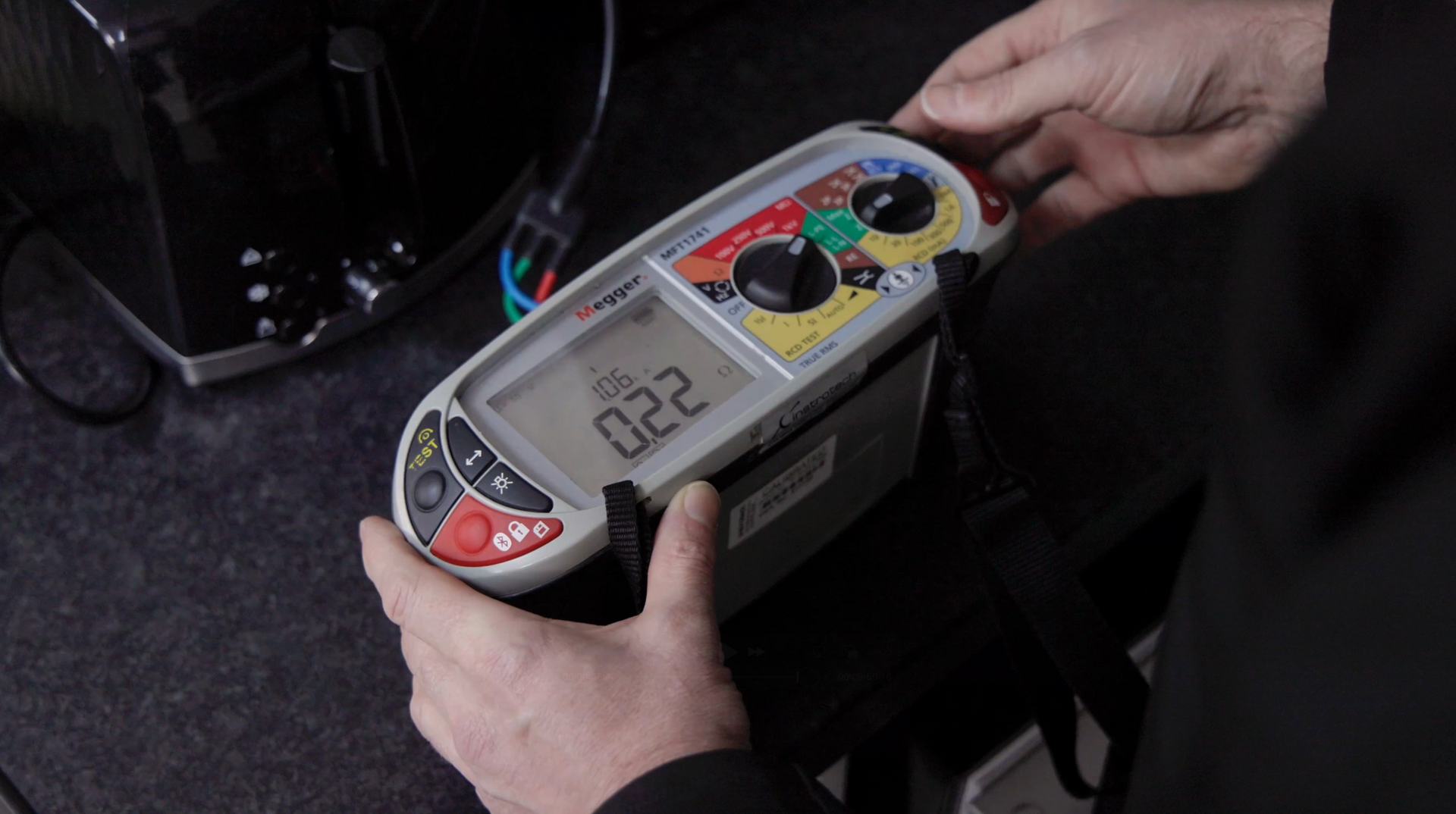
An Electrical Installation Condition Report (EICR) is a detailed inspection and assessment of a building’s electrical system. It is carried out by a qualified electrician to determine whether an installation is safe, compliant, and fit for continued use.
The process involves both visual inspections and electrical testing to identify issues such as deterioration, damage, poor installation, or non-compliance with current regulations (BS 7671).
For commercial property owners, facilities managers and landlords, an EICR is not just a technical report; it is a critical part of managing risk, maintaining compliance, and protecting both people and assets.
Why Are EICRs Important?
Electrical systems naturally degrade over time. Without regular inspection, faults can go unnoticed until they result in failure, disruption, or even serious safety incidents.
An EICR helps to:
Ensure Safety
Faulty wiring, overloaded circuits and damaged components can present real risks, including electric shock and fire hazards. Regular inspections identify these risks early.
Maintain Legal Compliance
For many commercial properties, there is a legal duty to ensure electrical systems are safe. An up-to-date EICR demonstrates that you are meeting your obligations.
Protect Insurance Validity
Many insurers require evidence of regular electrical testing. Without it, claims related to electrical faults may be invalidated.
Reduce Operational Risk
Unexpected electrical failures can cause downtime, disrupt tenants or operations, and lead to costly emergency repairs.
How Often Is an EICR Required?
The recommended frequency of EICRs depends on the type of property and how it is used.
Commercial Properties
Typically every 3 to 5 years, although this can vary depending on:
- Usage levels
- Environmental conditions
- Age of the installation
Industrial Environments
Often require more frequent testing due to:
- Heavy machinery
- Higher electrical loads
- Increased wear and tear
Other Situations Where an EICR May Be Required
- Change of tenancy
- Purchase or sale of a property
- After major electrical works
- If there are concerns about safety
Ultimately, the correct frequency should be based on risk, not just a fixed timeframe.
What Happens During an EICR?
An EICR is a structured process designed to assess the condition of the entire electrical installation.
Visual Inspection
The electrician checks visible elements such as:
- Wiring systems
- Sockets and switches
- Distribution boards
- Signs of damage or overheating
Testing
Specialist equipment is used to test:
- Circuit integrity
- Earthing and bonding
- Insulation resistance
- Protection devices
Assessment Against Regulations
The installation is assessed against current standards (BS 7671), identifying areas that no longer meet requirements.
Report Issued
You receive a detailed report outlining:
- The overall condition
- Any defects found
- Required or recommended actions
Understanding EICR Classification Codes
One of the most important parts of an EICR is the classification of issues. These codes indicate the severity of any problems found.
C1 – Danger Present
There is an immediate risk of injury.
Action: Immediate remedial work required
C2 – Potentially Dangerous
A fault exists that could become dangerous.
Action: Urgent remedial work required
C3 – Improvement Recommended
The installation is safe but could be improved.
Action: Not mandatory, but advisable
FI – Further Investigation
An issue has been identified that requires additional inspection.
What Happens If Your Installation Fails?
If your EICR identifies C1 or C2 issues, the report will be classified as unsatisfactory.
This does not mean your entire system needs replacing. In most cases:
- Specific faults are identified
- A clear remedial plan is provided
- Targeted work is carried out to resolve issues
Once remedial works are completed, the installation can be brought back to a compliant and safe condition.
Common Issues Found During EICRs
From experience, some of the most common issues include:
- Outdated or damaged wiring
- Lack of proper earthing or bonding
- Overloaded circuits
- Incorrectly installed components
- Wear and deterioration over time
In commercial environments, these issues are often the result of:
- Incremental changes over time
- Poorly documented modifications
- Lack of structured maintenance
The Risk of Ignoring Electrical Testing
Delaying or avoiding EICRs can lead to significant risks:
Safety Risks
Undetected faults increase the likelihood of:
- Electric shock
- Fire incidents
Legal and Financial Risk
Failure to maintain safe systems can result in:
- Liability claims
- Regulatory issues
- Insurance complications
Operational Disruption
Electrical failures can:
- Halt business operations
- Impact tenants or customers
- Lead to costly emergency repairs
A reactive approach almost always costs more than a planned one.
How to Stay Compliant and Reduce Risk
The most effective way to manage electrical compliance is through a structured approach.
Schedule Regular Inspections
Don’t wait for issues to arise. Plan inspections based on usage and risk.
Act on Findings Promptly
Address C1 and C2 issues without delay to maintain safety and compliance.
Keep Documentation Updated
Maintain records of inspections, reports and remedial works.
Work with Qualified Contractors
Choose contractors who understand commercial environments and compliance requirements.
EICRs as Part of a Wider Maintenance Strategy
An EICR should not be viewed in isolation.
For commercial properties, it forms part of a wider planned maintenance strategy, alongside:
- Emergency lighting testing
- Routine inspections
- Preventative maintenance
This approach provides:
- Greater control
- Reduced risk
- Long-term cost efficiency
Choosing the Right Electrical Contractor
Not all contractors approach EICRs in the same way.
For commercial clients, it’s important to work with a contractor who:
- Takes a structured and professional approach
- Provides clear, actionable reporting
- Understands compliance and risk
- Can deliver both testing and remedial works
This ensures the process is efficient, transparent and aligned with your operational needs.
A Practical Approach to Electrical Safety
EICRs are not just a regulatory requirement, they are a practical tool for managing risk, maintaining safety, and protecting your property.
By taking a proactive and structured approach to electrical testing, you can:
- Avoid unexpected failures
- Maintain compliance
- Protect both people and assets